


Welcome back to the 11th episode of our Mobile Industry Exposed interview series! This time, we interviewed Ted Nash, co-founder and CEO of Tapdaq, about the importance of app store optimization, discoverability and the trends in mobile marketing for 2015 and beyond.Ted is a serial entrepreneur who has been creating online companies from the age of 12. Having raised his first round of funding from a group of angel investors in the UK, he became the first teenager in the world to achieve 1,000,000 App Store downloads.Ted has built many businesses, his latest being Tapdaq, a direct mobile advertising marketplace.Ted was recognized in the prestigious Forbes magazine, as one of the 30 Under 30’s for his work on Tapdaq and, in March 2015, became ‘Global Mobile Innovator Of The Year’ at the Mobile World Congress.Read our interview with Ted to learn more about discoverability in the app stores, the future of apps and the mobile trends that will be shaping the industry in 2015.
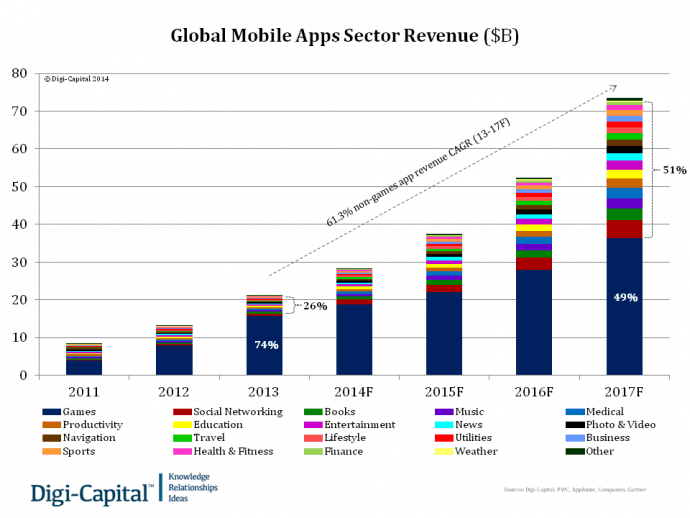
Revenues from mobile app installs ads are booming and the global app opportunity is getting much harder to ignore. Until recently, a large portion of the app marketing business was driven by the players at the forefront of marketing and advertising technologies, namely the larger game publishers. This phenomenon was mainly due to the category’s attractiveness to consumers and the high revenue potential of free-to-play micropayment-based business models.However, today we’re seeing an increasing market opportunity for apps outside of the gaming vertical. Transaction-based business models such as eCommerce and classifieds are skyrocketing on mobile and sometimes even leapfrogging desktop in certain mobile-first economies.

Last week saw one of the largest and most awaited mobile events take Barcelona by storm. Traditionally, MWC has mostly been about power display from the larger players (leading some to ask, is it too big?) as well as hardware product launches. However, today the show is no longer solely about hardware and, as testified by the success of the App Planet pavilion, service and technology providers are playing an increasingly important part on the event.Here are our three mobile marketing takeaways from MWC 2015.
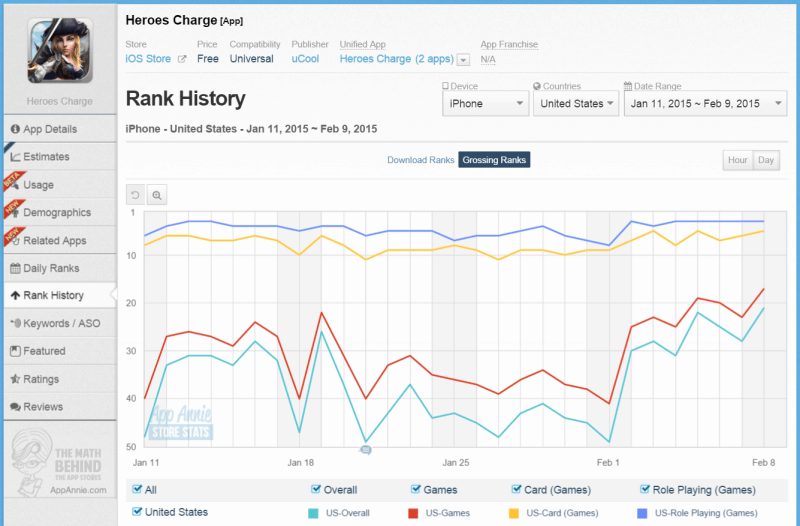
Mobile gaming TV ads were all the rage at this year’s SuperBowl, with Supercell spending a few million dollars on no less than Liam Neeson for their Super Bowl prime time TV ad. On top of casting and production costs, the Finnish game studio also paid out a whopping $9 million for the 60 second media spot. Close contender, Machine Zone used the services of Kate Upton and “only” spent $4,500,000 on one 30-second TV advertising spot.Beyond these high-profile examples, more and more mobile app and game publishers are testing TV as a medium to market their apps; This includes the likes of King, War Gaming, InnoGames, Big Fish, Good Game Studios as well as a few other well regarded studios.Why are mobile app developers suddenly advertising on a medium we ‘digital’ people thought was going towards extinction? How does a mobile app developer track the success of their TV campaign? What is the “entry” ticket to TV, and why should a mobile developer work with an expert to run TV? These are the questions we’ve sought to answer over the last year.
What is the right price for a performance mobile user acquisition campaign?
Although fundamental for mobile advertisers, this simple question has no straightforward answer. There are indeed a lot of factors likely to influence or even determine the success of a mobile user acquisition campaign, especially if it’s run on a performance basis.
Strong of our experience of running performance campaigns for over 500 mobile advertisers, here is what actually matters when it comes to getting the right price…and the price right.
성과 위주의 모바일 유저 확보 캠페인을 위한 적절한 가격은 무엇일까?
모바일 광고주들에게 있어 기본적인 이 질문에 대한 해답을 하나로 내리기란 그렇게 쉬운 일은 아닙니다. 물론 모바일 유저 확보 캠페인의 성공을 결정짓거나 영향을 주는 요인은 여러가지가 있습니다. 특히 성과를 기반으로 했을 때는 더욱 그렇죠.
500개 이상의 모바일 광고주들을 위해 성과형 캠페인을 진행해온 우리의 경험을 바탕으로 봤을 때 적절한 가격을 정하기 위해 중요한 것들을 정리해보았습니다.

Today we are very excited to announce that AppLift is acquiring mobile user acquisition platform appiris. With this acquisition, we are happy to take on our next challenge, by effectively expanding our focus from games to all app verticals. We Continue Reading
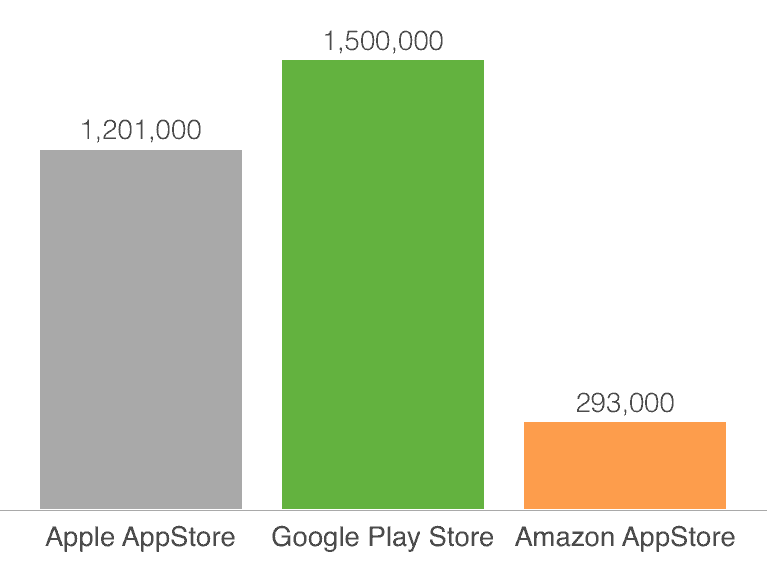
The number of games in the app stores is staggering. There are over 1.2M apps in Apple’s App Store, almost 1.5M in Google’s Play Store and 293K in Amazon’s app store. More apps are created every day. Although the Big Three tech giants like to boast about those numbers, for app developers they mean extreme competition and only a tiny chance to make a profit from their games. According to Developereconomics.com, 62% of developers earn less than $500 a month on their apps. The extreme competition in the mobile gaming market jeopardizes developers’ ability to make a living through game development.
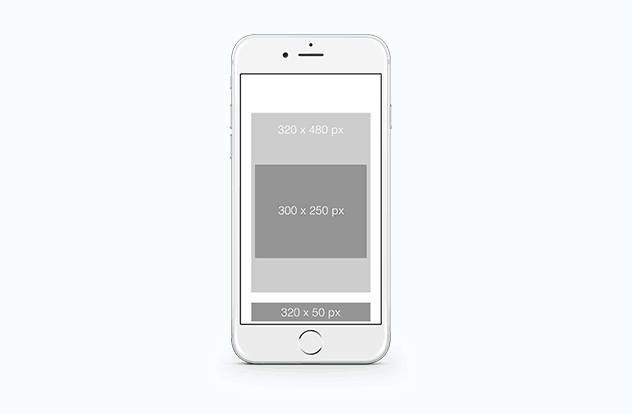
However popular and hyped mobile advertising has become, the truth is that, as a platform and a practice, it is still in its infancy. Advertisers are always looking for innovative ways to communicate in engaging ways while publishers are in desperate need for better tools to integrate ads in ways that optimize monetization without hurting the user experience.The good news is, mobile technologies are constantly innovating, inventing and adding new features in order to improve the ad experience. To leverage these new technologies, “ad innovation labs”, teams dedicated to inventing and creating ever-more engaging and performing ad formats, are playing an increasingly bigger role.Drawing from our own experience at AppLift, here’s how ad innovation is changing our industry and benefiting all its stakeholders.
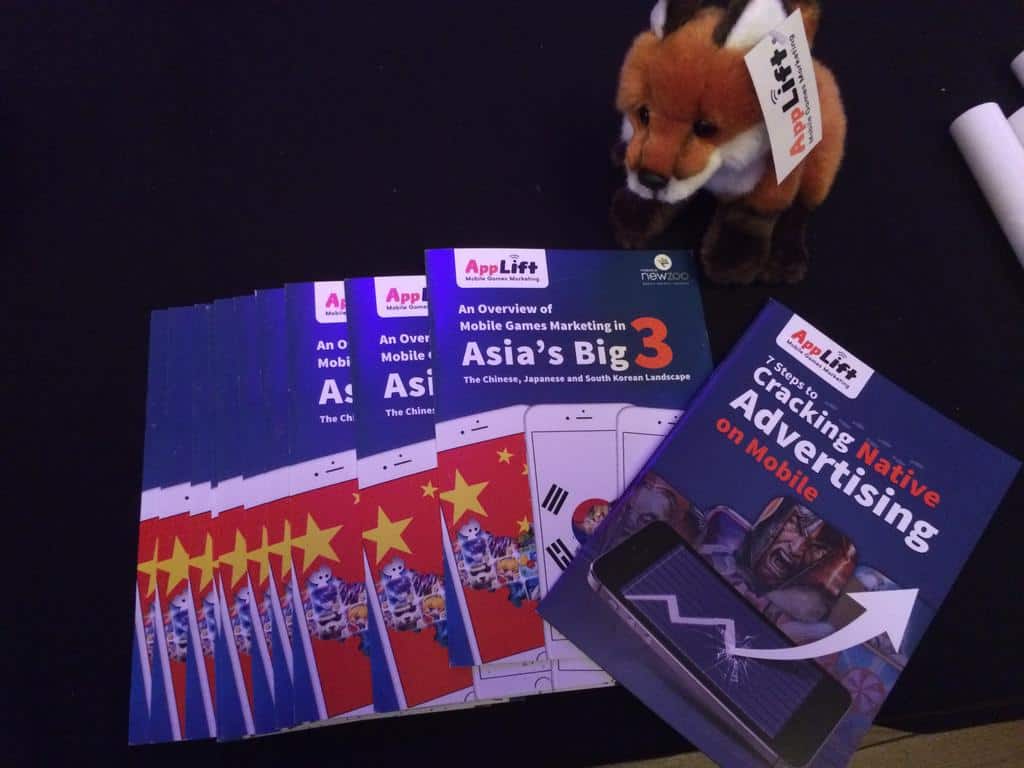


Last week AppLift attended and exhibited at PG Connects London, the third instalment of the event organised by Steel Media. As usual it was an opportunity to give out our beloved swag and do proper networking, but also catch up on the latest trend in mobile and mobile games marketing.
To catch up or get a refresh of the conference, here’s our non-exhaustive digest of the main insights for mobile marketers.