

Close

en

The Future of Apps and the Era of Mobile Gateways

The mobile app ecosystem has gone through a rather solid and steady growth since the launch of the Apple App Store seven years ago, and so did the products and marketing associated with it. Shortly after the launch of the App Store, a “land grab” playground arose, where lots of companies – especially gaming companies, such as Rovio or King – found success in a very short amount of time. Today, over 3 millions of apps are available to the end customers across the stores, which makes discoverability extremely hard. Mobile app developers need a really high value proposition to attract users to their products.

In mature markets such as US, current trends show that people use a decreasing amount of applications, but spend more time in those fewer apps. In other words, users dedicate less time to a limited amount of apps. Many studies and surveys back this phenomenon: in June 2015, Nielsen revealed that “70% of the time spent is done within the top 200 applications”.

Why Robots Will Never Completely Replace Humans: A Deep-Dive Into the Work Of an Ad Quality Team

At AppLift Marketing, from time to time, we like to pass on the mic over to other employees in the company so they can provide insights about their specific fields of expertise. A few months ago, AppLift acquired mobile DSP Bidstalk and we fully integrated their team based in Singapore and India. Today, we turn to Kanika Upadhay, Head of Ad Quality, who gives her view on why robots will never completely replace humans for ad operations in general, and ad quality control in particular.

First, Second & Third-Party Data: What’s the Difference, and How Is Each Used in Mobile Marketing?

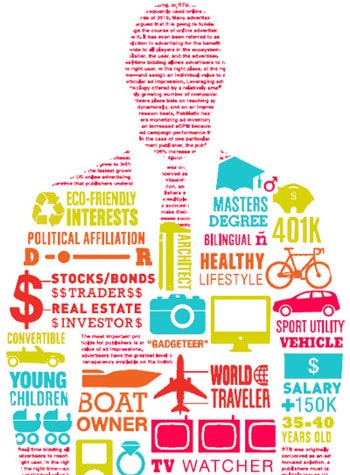
It’s often been said that data will be the oil of the 21st century. Now, when managing an advertising campaign for the mobile realm, it’s important to know the differences between types of data and how you can best leverage them for your needs. Here are just a few insight on the various kinds of data, and why each is potentially valuable to your marketing efforts.

Maor Sadra: “Let’s Evolve the Entire Mobile Ecosystem by Using the Data and Technology Available to Us”

Even as media buying continues its sea change from traditional direct order technology to programmatic, mobile advertisers struggle to unlock the potential of unified media buying at scale. Programmatic offers an alternative to the labor-intensive and inefficient process of manual direct buys, yet advertisers are finding publishers hesitant to get on board.

Mobile advertisers tapping into the programmatic opportunity should expect to see this resolved in the very near future, as penetration among publishers increases. In fact, programmatic ad spend grew to over $10 billion in the U.S. in 2014, and mobile’s share of all US digital ad spend will reach 72% by 2019, predicts eMarketer.

Tim Koschella: “Advertising will break the boundaries between on- and offline … and the key is RTB.”

At the beginning of the month, our CEO and co-founder Tim Koschella had the opportunity to sit down with Korean IT media company Microsoftware for a passionate talk on the history of mobile advertising, the idiosyncrasies of the Korean market, the rise of programmatic and the future of the industry. Here is a carefully translated version of the interview. If you would like to brush up on your Korean, head here.

The Past of Mobile Advertising

The early 2000s marked the beginnings of online advertising in Korea. Portal sites and search engines such as Naver, Daum, and Google started to sell banner ads and the traffic was monetized through CPC ads. Korea had the particularity of having one portal site owning almost 75% percent of search queries. The so-called ‘adtech’ or ‘online advertising technology’ was not really necessary in this context.

Interview Exposed #20: Smaato: “A Publisher-Safe Ecosystem and Transparency Assures a Brand Against Fraudulent Traffic”

Welcome back to our Industry Exposed series! In this edition, we have an interview with Ragnar Kruse, the CEO and Co-Founder of Smaato, on how they are trying to consolidate the supply ecosystem through their ‘super auction’ model, as well as how markets like China will blow the US out of the water for smartphone penetration and app usage. Lastly, we also touch upon the strongest developments in the mobile programmatic ecosystem from RTB to IAB.

Ragnar Kruse is the Chief Executive Officer & Co-Founder of Smaato. As a serial entrepreneur with 30+ years experience in IT, Ragnar Kruse understands the unique challenges in bringing new technologies to market. He has built up several companies from inception to market launch in both the US and Europe.

10 Mistakes to Avoid Before Launching an App

You’ve strategized, developed, designed, iterated, tested and now it’s finally time to launch your shiny new app. But, as anyone who’s ever promoted an app can attest, it can be incredibly exciting, and also incredibly scary. After all your hard work, the last thing you want to do is blow your big launch.A successful app launch is one that translates buzz into real results, like installs and increased store ranking. However, failing to achieve critical mass quickly during a launch can be extremely detrimental to a new venture expecting returns on their investments.Luckily, app publishers have launched millions of apps and we can learn from their mistakes so you don’t have to repeat them! Make sure your app launch doesn’t fail by avoiding these 10 most common mistakes made by new app publishers:

How to Choose the Best Strategy for Naming a Mobile App

Picking a title is a substantial part of your app’s marketing success, as it weighs greatly on search results. There are two main strategies to app naming. The first one is to use a simple title that does not have any extra keywords. The second is to use extra keywords in addition to the title. Each strategy has its pros and cons. This article, based on practice and real cases, provides tips on how to decide on your app naming strategy.

X