


Last week saw one of the largest and most awaited mobile events take Barcelona by storm. Traditionally, MWC has mostly been about power display from the larger players (leading some to ask, is it too big?) as well as hardware product launches. However, today the show is no longer solely about hardware and, as testified by the success of the App Planet pavilion, service and technology providers are playing an increasingly important part on the event.Here are our three mobile marketing takeaways from MWC 2015.
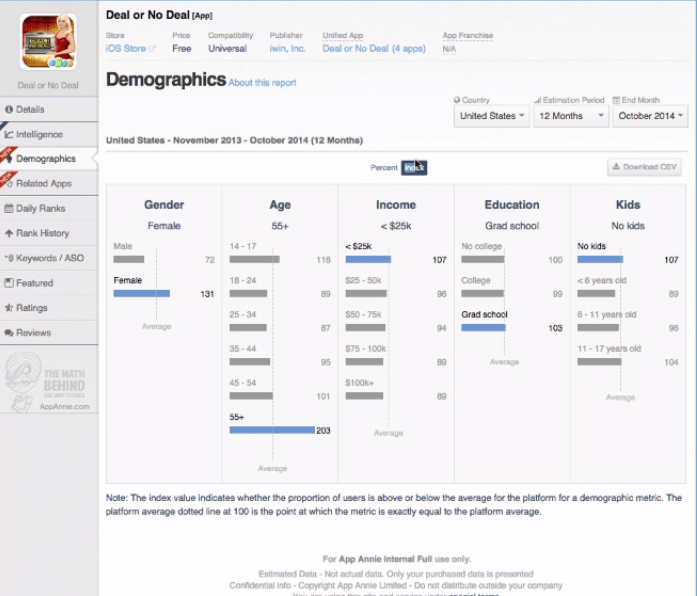
Competitive analysis is vital to any business – from “mom and pop” corner stores to mega conglomerates. The act of benchmarking and gathering data about competitors can help you adjust to the changes in your surroundings, position yourself to bank in on opportunities and prepare for eventual market threats. The app ecosystem is no different, and being a growing market it is particularly important to keep a close eye on competitors.
What exactly can you learn from conducting a thorough competitive analysis? Let’s go through a few topics that are key to your app success and see what type of insights you can gather.

Since the apparition of mobile applications, two app stores clearly shape the mobile app ecosystem. Of course, other stores are trying to grab a small bite of this delicious and promising market. However, the giant Apple iOS App Store and its sparring partner, the Google Play Store, are already far ahead and will certainly remain the leaders in the coming years.
Today, we count over 1.4 million apps in both of these two stores. And it won’t stop there. The number of apps will continue to grow, as the public demand will keep on increasing. Needless to point out that being an app developer is quite challenging facing the fierce competition. Getting an app found on the store is extremely tricky, especially if there is only a small budget behind it.
So what can be done to get more downloads? The answer is: a lot of things. From app advertising to social media promotion through public relations, app marketing includes multiple effective ways that can all be combined together into a powerful marketing mix.
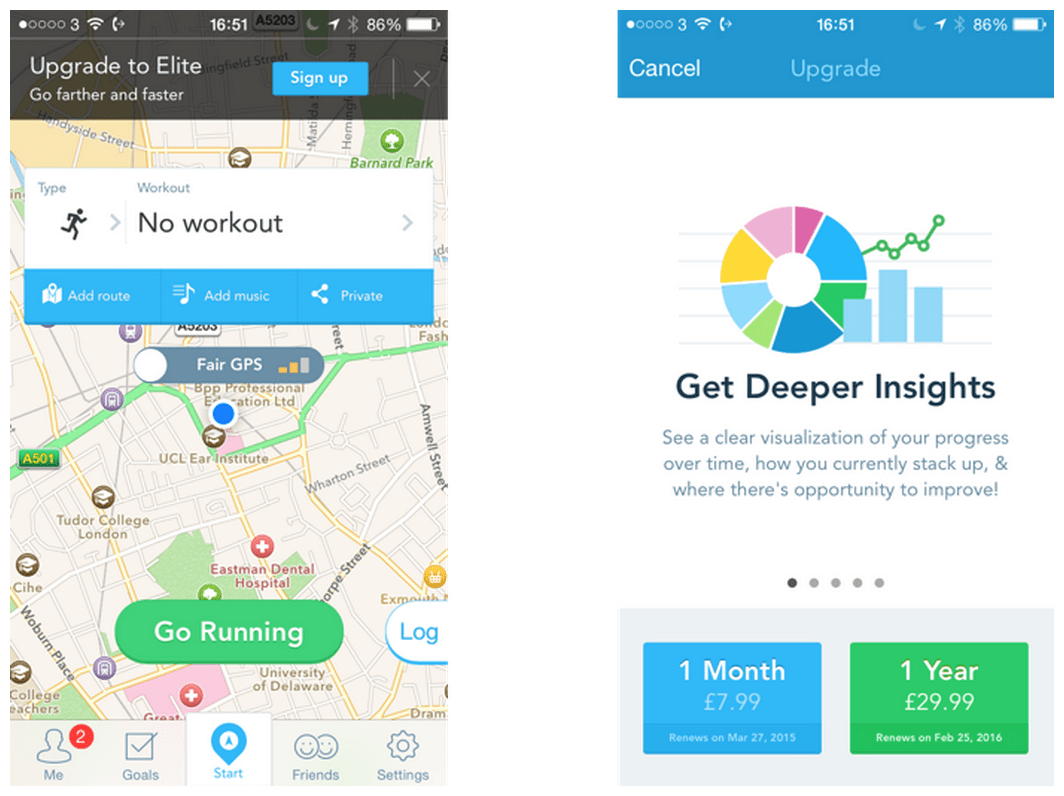
Regardless of experience, we all make mistakes. When it comes to marketing your application, mistakes often lead to over expenditure and disappointing results. In this post we have identified the 9 biggest mistakes that developers often make when promoting their applications, and have put together some actionable takeaways on how you can avoid them.
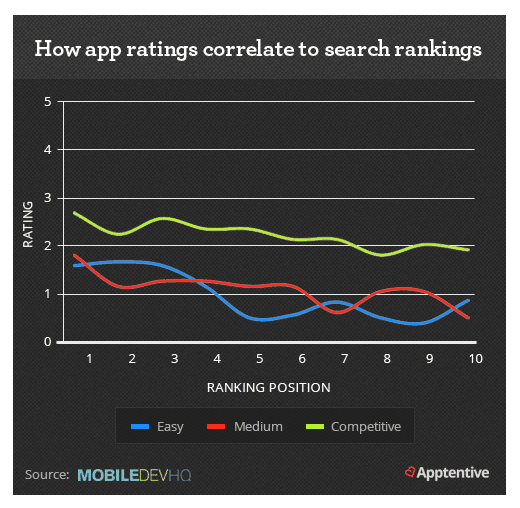
There’s no denying the importance of app ratings and reviews – they are the social proof that determines your app’s success. Visitors to the app stores flock to highly rated apps and read reviews to see if an app is worth downloading.
But what is the real effect of ratings and review? Are they only there to affect the downloader’s decision? In fact, ratings and reviews are taken highly into consideration when a new user is browsing the stores for that new helpful app or addictive game. However, app ratings and reviews also affect your ASO and search rankings.
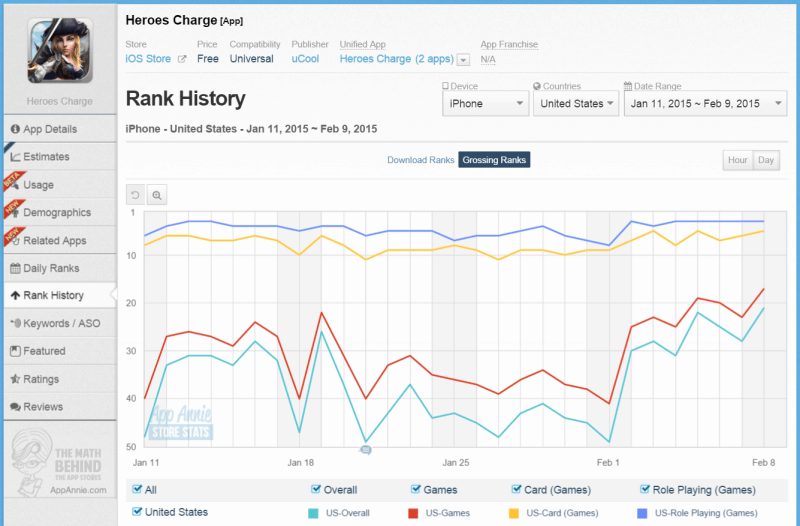
Mobile gaming TV ads were all the rage at this year’s SuperBowl, with Supercell spending a few million dollars on no less than Liam Neeson for their Super Bowl prime time TV ad. On top of casting and production costs, the Finnish game studio also paid out a whopping $9 million for the 60 second media spot. Close contender, Machine Zone used the services of Kate Upton and “only” spent $4,500,000 on one 30-second TV advertising spot.Beyond these high-profile examples, more and more mobile app and game publishers are testing TV as a medium to market their apps; This includes the likes of King, War Gaming, InnoGames, Big Fish, Good Game Studios as well as a few other well regarded studios.Why are mobile app developers suddenly advertising on a medium we ‘digital’ people thought was going towards extinction? How does a mobile app developer track the success of their TV campaign? What is the “entry” ticket to TV, and why should a mobile developer work with an expert to run TV? These are the questions we’ve sought to answer over the last year.
What is the right price for a performance mobile user acquisition campaign?
Although fundamental for mobile advertisers, this simple question has no straightforward answer. There are indeed a lot of factors likely to influence or even determine the success of a mobile user acquisition campaign, especially if it’s run on a performance basis.
Strong of our experience of running performance campaigns for over 500 mobile advertisers, here is what actually matters when it comes to getting the right price…and the price right.
Today we are very excited to announce that AppLift is acquiring mobile user acquisition platform appiris. With this acquisition, we are happy to take on our next challenge, by effectively expanding our focus from games to all app verticals. We Continue Reading
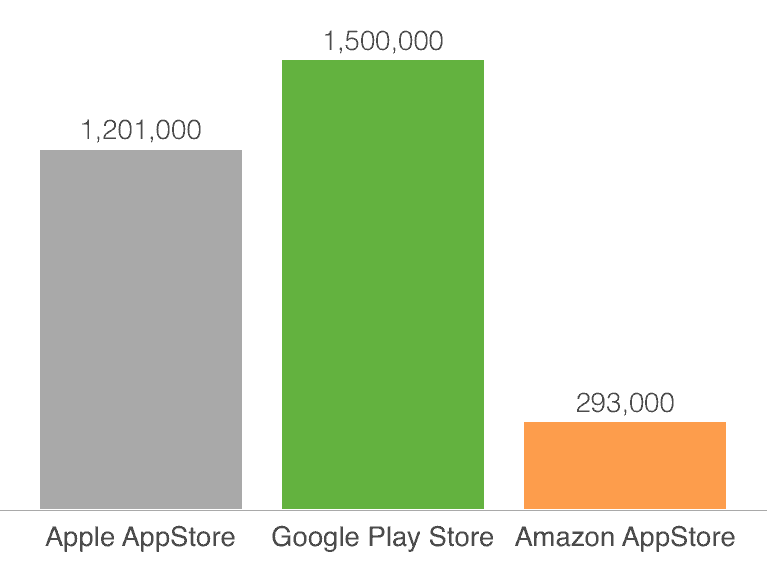
The number of games in the app stores is staggering. There are over 1.2M apps in Apple’s App Store, almost 1.5M in Google’s Play Store and 293K in Amazon’s app store. More apps are created every day. Although the Big Three tech giants like to boast about those numbers, for app developers they mean extreme competition and only a tiny chance to make a profit from their games. According to Developereconomics.com, 62% of developers earn less than $500 a month on their apps. The extreme competition in the mobile gaming market jeopardizes developers’ ability to make a living through game development.
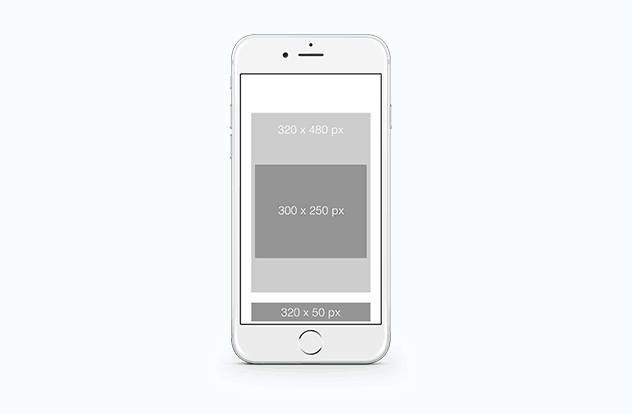

However popular and hyped mobile advertising has become, the truth is that, as a platform and a practice, it is still in its infancy. Advertisers are always looking for innovative ways to communicate in engaging ways while publishers are in desperate need for better tools to integrate ads in ways that optimize monetization without hurting the user experience.The good news is, mobile technologies are constantly innovating, inventing and adding new features in order to improve the ad experience. To leverage these new technologies, “ad innovation labs”, teams dedicated to inventing and creating ever-more engaging and performing ad formats, are playing an increasingly bigger role.Drawing from our own experience at AppLift, here’s how ad innovation is changing our industry and benefiting all its stakeholders.