


User acquisition channels have evolved over the years: from PR and social media focused tactics in the early 2010s to boosting the app into the top rankings with incentivized traffic to a more holistic post-install KPI (key performance indicator) or CPA (cost per action) driven approach of today. User acquisition strategies too have always adapted to current market conditions in regards to demand and supply. A new year is upon us, so it’s the perfect time to take a look at what could be the next big alternate user acquisition channels you need to consider in 2017.

Artificial Intelligence, or AI, is everywhere these days. From once being a futuristic concept in Hollywood movies, to now touching our lives everyday, the advent has been really swift and revolutionary. What started with digital assistants such as Siri, is now the magic working behind the scenes for almost all of our major apps in this mobile-first market. This AI-powered ‘app revolution’ has the potential to impact how we use mobile and mobile apps, as well as mobile advertising, as we know it.
As yet another year draws to a close, we take a look back at the best of 2016 on the AppLift’s blog. Recap the year in ad tech with our 12 best reads for the 12 days of Christmas!
Happy Holidays from the Team AppLift!
Welcome to the third installment in our new series “School of Ad Tech”, where we demystify the basics of ad tech for our readers. In the previous editions of this series, we’ve acquainted our readers with the most important ad tech acronyms, and explained why the concept of LTV is an important one for app marketers.
In this post, we’ll break down the various ad formats to help app marketers decide which works best for their app marketing goals.
For those who missed our webinar on fundamentals of mobile programmatic with AppLift India MD Rishi Agarwal, here is the presentation deck as well as the the replay from the session.
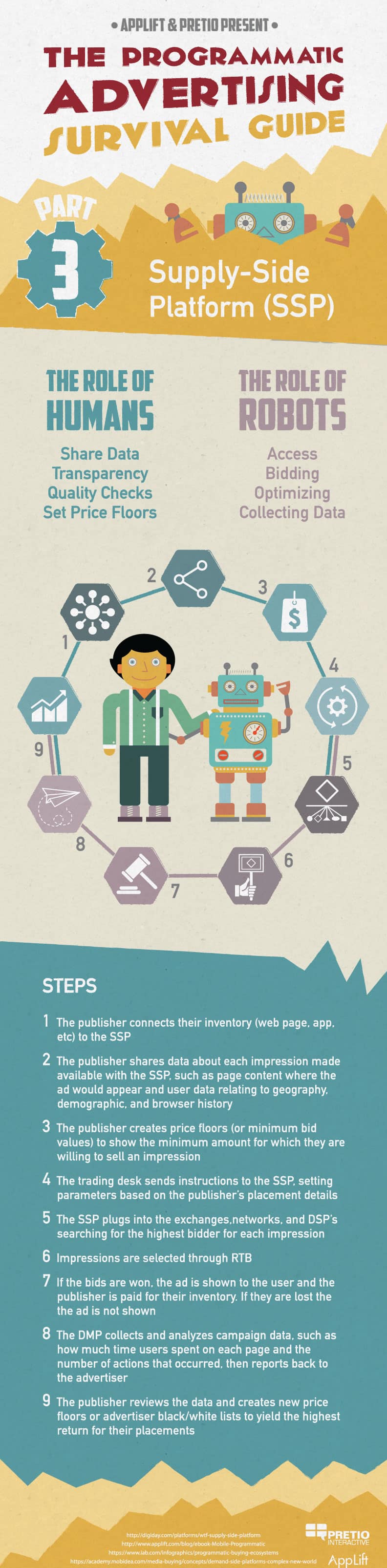
We are back with yet another edition of our Programmatic Survival Guide, brought to you by AppLift and Pretio Interactive. So far in our four-part series, we have explained the key terms in programmatic and went over how a Demand-Side Platform (DSP) works in a programmatic environment. Today, we present to you how a Supply-Side Platform works.
The growth of programmatic media buying has meant that the market is flooded with DSPs. For an advertiser new to the programmatic environment, the wide range of options in the market can be confusing. Almost all major DSPs have a fairly common set of features, but which DSP is best suited to an advertiser’s campaign needs is what needs to be thought of before setting up programmatic campaigns.
Is your DSP really working for you? Does the DSP suit your advertising needs? On the back of our experience of running a strong platform, we give you some tips on factors to consider when choosing a DSP.
With fall being in full blown mode and the trees shedding their colorful leaves, we’d like to take you on a walk in the park: the programmatic park that is. While this may not be as pretty a scenery to admire, the sights are still worthwhile when planning and executing your marketing activities with focus on success! We summed up the ten main steps to go through when planning out and executing a mobile programmatic campaign.
So let’s go for a stroll!
The IAB Tech Lab released updates to the OpenRTB standard on Wednesday, November 16. The latest release — version 2.5 — includes updates that allow for improvements in the current programmatic technology. The update is the latest in the series of development to the OpenRTB protocol, a set of standards that create open industry standards that ensure all parties, buy and sell can transact RTB at scale and build future industry innovation.
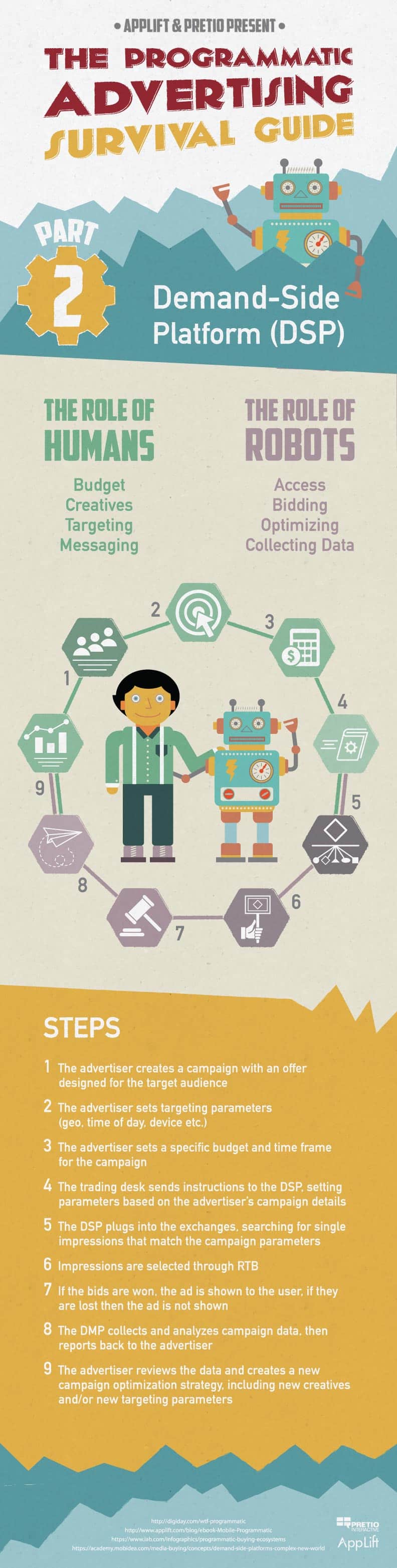
Welcome to the second installment of our four-part infographic series “Programmatic Survival Guide,” brought to you by AppLift and Pretio Interactive. In the first part, we acquainted our readers with the glossary of the key terms in programmatic. Today, we are introducing the programmatic ecosystem in greater detail. In this infographic, we’ll go over workings of a Demand-Side Platform (DSP) in a programmatic environment.